Scan Hair Product Labels. Detect Ingredient Conflicts.
Snap any hair care bottle or serum box to read ingredient lists in seconds. HairLens matches recognized compounds against your personal routine to catch potential conflicts before you apply them.
Read the label in the context of your shelf.
The preview extracts a label, highlights repeats and schedule overlap, and leaves the final choice with you. It never turns the product into a single rating.
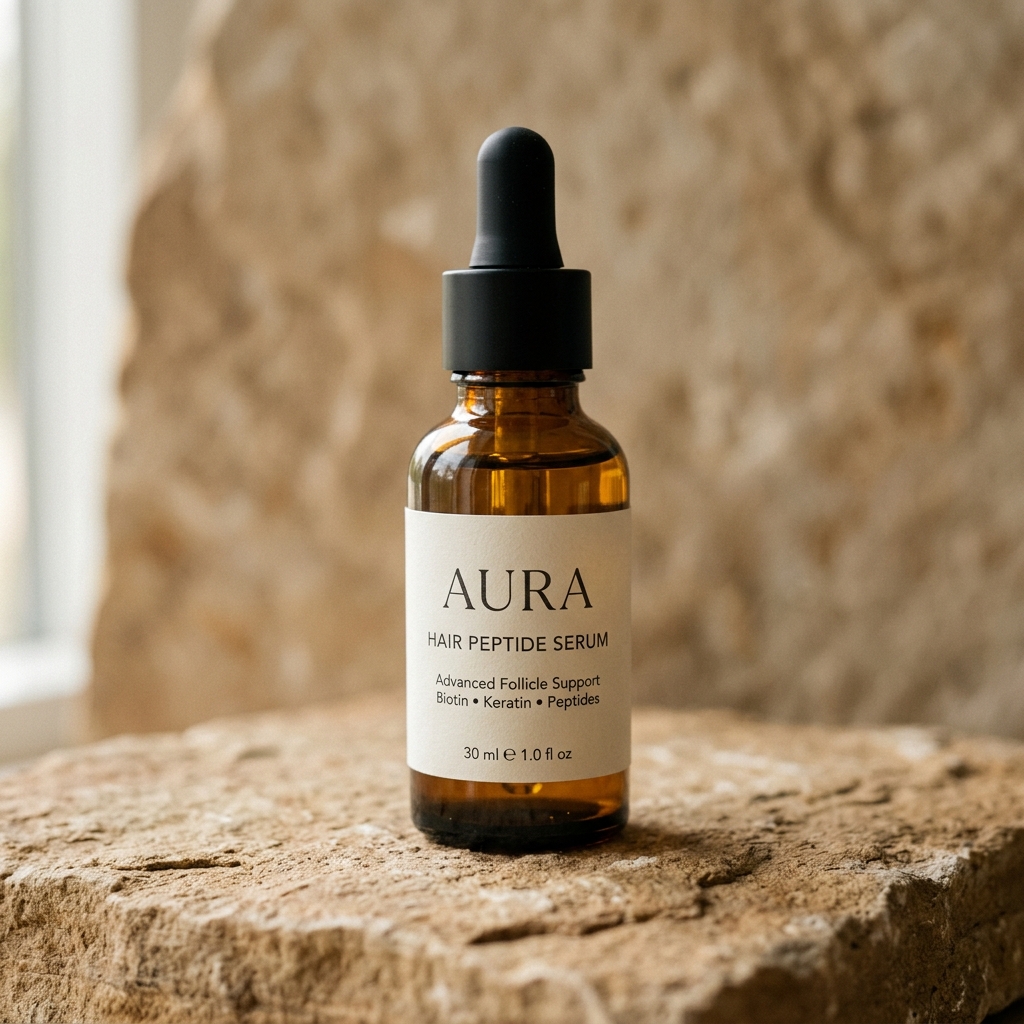
Peptide Scalp Serum
Leave-on · Morning
Shelf notes
- No duplicate leave-on step in the saved routine
- Water-based format is logged separately from oils
- Fragrance is not listed on this sample label
Label text can be incomplete or formatted differently. Confirm the package before adding it to your routine.
On-Device OCR Label Reader
Extracts complex botanical and chemical ingredient names right on your camera feed without needing active internet connectivity.
Formula Conflict Check
Flags potential heavy oil buildup, stripping surfactants, or drying alcohols that could clash with your current scalp routine.
Cited Library References
Every product compatibility note links back to reviewed library entries so you understand the reason behind each recommendation.
How Does Hair Product Ingredient Scanning Work?
The HairLens ingredient conflict checker uses on-device optical character recognition (OCR) to read physical bottle and box labels on your camera feed. It maps parsed compounds against a database of cosmetic and botanical ingredients, cross-referencing your personal routine to flag potential formula clashes—such as heavy silicone buildup or harsh stripping surfactants—with citations to reviewed scientific literature.
On-Device OCR
Extracts complex botanical and chemical INCI names offline without cloud latency.
Formula Conflict Detection
Catches clashing active compounds and excessive film-forming agents before application.
Reviewed Library Citations
Every compatibility note cites documented cosmetic chemistry entries.
The ones people actually ask.
If the answer is no, it says no. If the app cannot know, it says that too.
Do my photos leave my phone?
Not unless you turn storage on. The pose model runs on the handset, and the default request carries three numbers and no image. If you do enable storage, the photo is encrypted, tied to your account alone, and deletable in two taps.
What happens if I miss a week?
Nothing. There is no penalty, no broken chain and no catch-up prompt. The timeline simply has a gap in it, which is honest.
Can HairLens tell me why something changed?
No, and it will not pretend to. It reports what the photographs support — a change against your own baseline — and leaves the interpretation to you and anyone you choose to consult.
What can HairLens tell me?
HairLens describes visible changes between matched photographs. It does not explain causes or decide what a change means; you remain in control of any next step.
How are shedding observations used?
They stay in a separate personal history. A quick observation or optional timed count is never merged with the three photo measurements, compared with a universal range, or used to change a routine automatically.
When should I speak with a professional?
Whenever you want help interpreting a change or deciding what to do next. HairLens can organize compatible photos and observations, but it does not explain causes or decide what a change means.
What happens when I withdraw consent?
The category you withdrew stops immediately and the rest keeps working. Withdrawal writes a new row in an append-only ledger, so there is always a record of what applied when.
Which phones does it run on?
Android 10 and later for now. The capture flow depends on on-device pose estimation, so handsets that cannot run it are unsupported rather than quietly downgraded.
Keep your shelf and your baseline in one place.
See how label scanning sits alongside the three peer measurements and the privacy controls in the full HairLens overview.