Seven questions to ask before choosing a hair-tracking app
Choose according to the record you want to keep, the evidence behind a result, and the controls you need. A practical checklist for reading product claims without relying on rankings.

Thoughtful notes on your hair, your routine, and the technology in between.
Choose according to the record you want to keep, the evidence behind a result, and the controls you need. A practical checklist for reading product claims without relying on rankings.
A useful routine is one you understand and can adapt. Make space for ordinary weeks, keep notes that matter, and simplify the steps that keep getting in the way.
Choose a manageable schedule, label your originals, and record the conditions behind each photograph. A personal photo sequence documents appearance, not clinical hair-density measurements.
Processing location is only one privacy question. Separate uploads, storage, backups, accounts, permissions, exports, and deletion before deciding what a service does with your information.
A baseline is a starting reference, not a judgment about your hair. Choose clear views, preserve the originals, and label the conditions that make future comparisons more useful.

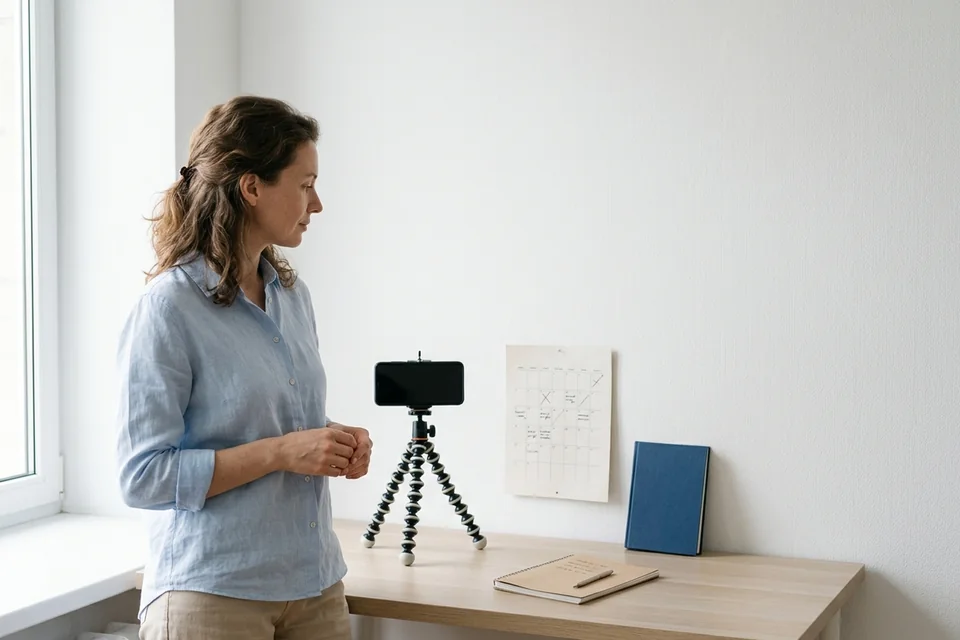
A repeatable photo setup can make your own observations easier to organize. Here is a simple place to start.

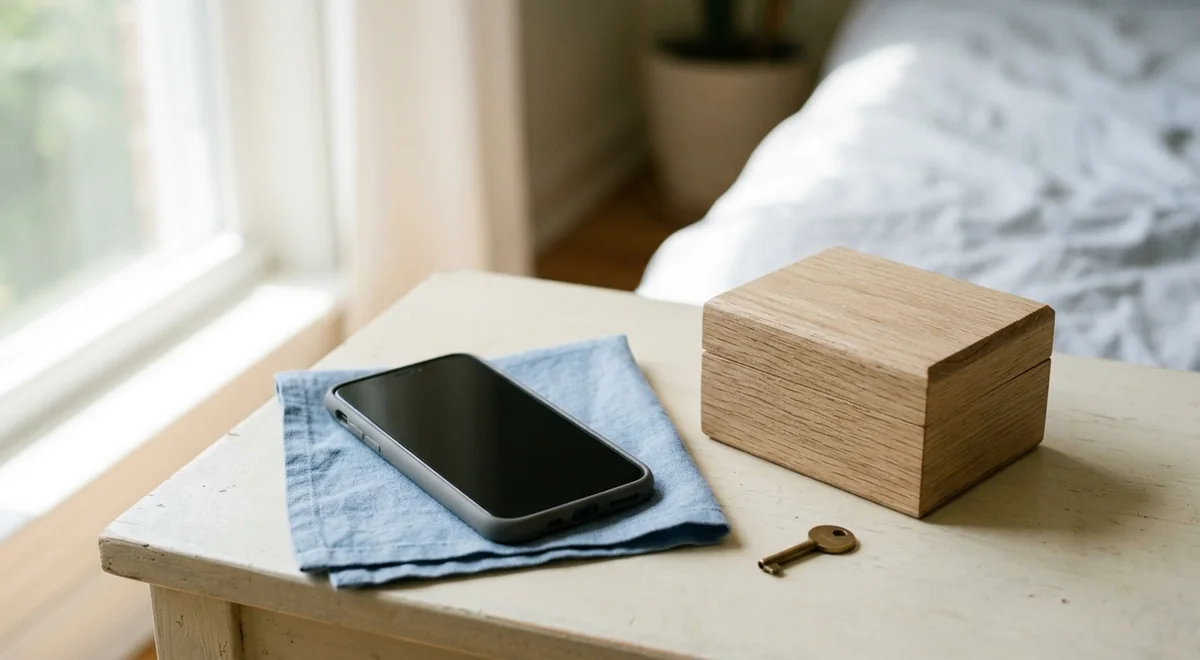
A photo, a date, and a few thoughtful notes. Your journal does not need to be complicated.

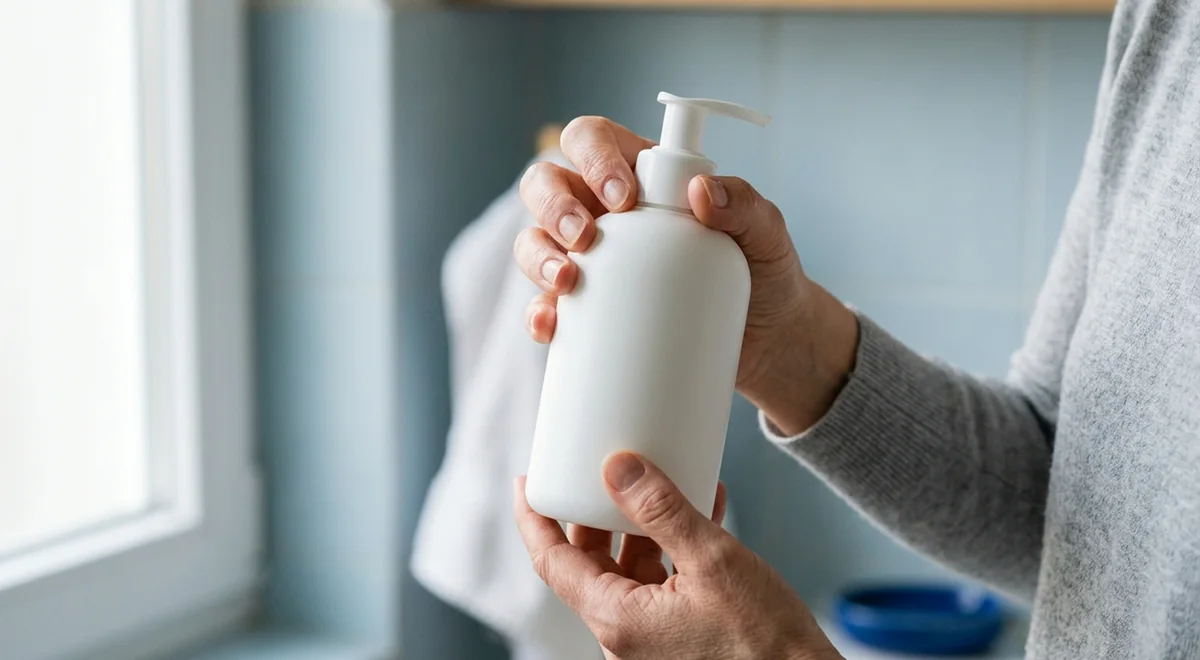
A thoughtful product note starts with what is on the bottle—not a claim about what it will do for you.

Keep the details of your routine together without turning every bottle into an experiment.

A score from a photo is a cosmetic estimate, not a validated medical measurement. Here is where we draw the line in the HairLens tools and Hair Report.

How the HairLens hair tools and Hair Report measure your photo in your browser, what is sent if you buy a report, and how the mobile app differs.
Try “photos”, “products”, or “routine”.
Every HairLens AI guide and tool is general education written by the HairLens AI Editorial team and linked to public-health, dermatology and peer-reviewed sources. They explain what an observation can and cannot tell you; they do not diagnose or replace a dermatologist.